
What Features Are Lexington Homeowners Paying For But Rarely Using?
For decades, bigger was considered better.
More square footage.
More rooms.
More amenities.
More upgrades.
But many homeowners eventually discover an interesting reality:
Some of the features they paid extra for receive very little actual use.
Meanwhile, practical spaces that improve everyday life often become the most valuable parts of the home.
Today’s Lexington buyers are becoming more intentional about how they evaluate homes.
Instead of asking:
“How much house can I get?”
Many are now asking:
“How much house will I actually use?”
Understanding the difference between impressive features and useful features can help buyers make smarter decisions and help sellers better market their homes.
The Difference Between Luxury and Utility
Many home features look fantastic during showings.
They photograph beautifully.
They help listings stand out online.
They create excitement.
But once homeowners move in, daily life often centers around a surprisingly small portion of the home.
Most activity occurs in:
- Kitchens
- Living rooms
- Home offices
- Primary suites
- Outdoor gathering spaces
Meanwhile, certain “premium” features sometimes sit largely unused.
The lesson isn’t that those features lack value.
It’s that buyers should evaluate whether they fit their actual lifestyle.
The Formal Dining Room Dilemma
One of the most commonly underused rooms is the formal dining room.
Years ago, formal dining spaces were considered an essential feature.
Today, many homeowners report using them only:
- Holidays
- Special occasions
- Family gatherings
The rest of the year, the room may sit empty.
Some homeowners eventually convert dining rooms into:
- Home offices
- Study areas
- Reading rooms
- Flexible living spaces
This shift reflects changing lifestyles and stronger demand for daily functionality.
Oversized Bonus Rooms
Large bonus rooms often sound appealing during the buying process.
However, homeowners sometimes struggle to define how the space will actually be used.
The result?
A room that collects storage boxes and unused furniture.
The most successful spaces generally have a clear purpose.
When buyers evaluate bonus rooms, it helps to ask:
“How will we use this room every week?”
Not:
“Could we eventually find a use for it?”
Extra Bedrooms That Rarely Host Guests
Additional bedrooms can certainly be valuable.
However, some homeowners purchase significantly more bedroom space than they realistically need.
A bedroom that remains vacant year-round may represent:
- Additional maintenance
- Additional furnishing costs
- Additional cleaning requirements
The question isn’t whether extra rooms are useful.
It’s whether those rooms support actual lifestyle needs.
Large Homes Create Hidden Costs
Bigger homes often come with bigger expenses.
These can include:
- Higher utility bills
- More maintenance
- More repairs
- Increased furnishing costs
- Additional cleaning
Many homeowners discover they spend much of their time in only a small percentage of the available space.
That’s one reason many buyers are beginning to emphasize efficient layouts instead of maximum square footage.
What Spaces Get Used the Most?
The answer varies, but certain areas consistently receive the most daily activity.
Kitchen Areas
The kitchen continues to function as the center of many homes.
Meal preparation, conversation, homework, and gatherings often happen here.
Living Spaces
Open gathering areas frequently become the most heavily used rooms.
Home Offices
Remote and hybrid work have significantly increased demand for functional office space.
Outdoor Living Areas
Patios, decks, and outdoor entertainment spaces often provide more real-world value than rarely used interior rooms.
Storage Solutions
Well-designed storage improves daily life far more than many buyers initially realize.
Buyers Are Prioritizing Flexibility
Today’s Lexington buyers often value flexibility more than specialization.
Instead of seeking rooms with a single purpose, buyers increasingly prefer spaces that can evolve.
Examples include:
- Guest room plus office
- Workout room plus hobby space
- Flexible bonus room
- Multi-purpose loft
Life changes.
The most useful homes adapt along with it.
Why Practical Features Create Long-Term Satisfaction
Many homeowners eventually learn that conveniences matter more than appearances.
Features that improve everyday life often include:
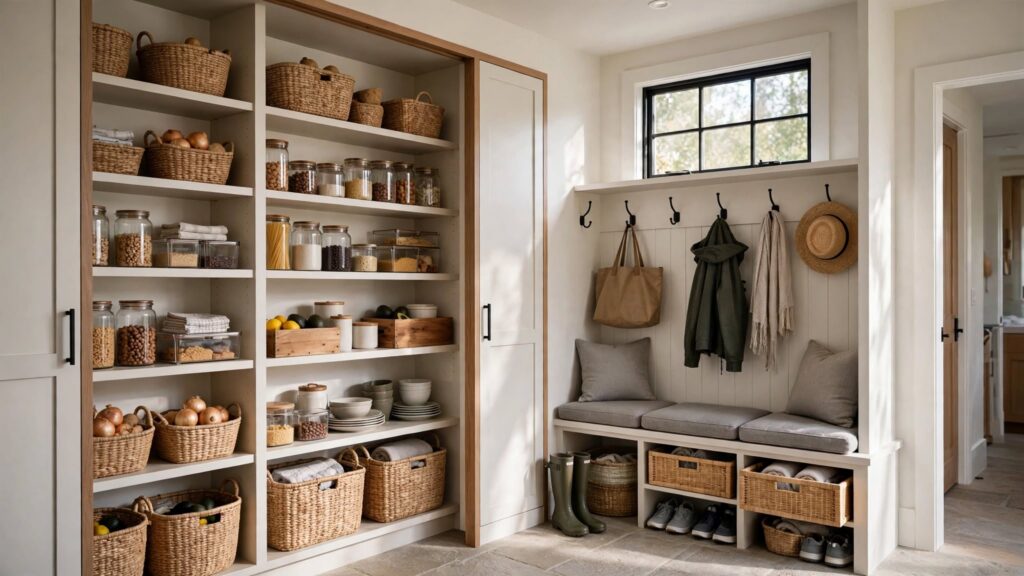
- Walk-in pantries
- Mudrooms
- Laundry room efficiency
- Storage systems
- Open layouts
- Outdoor gathering areas
These features may not always generate the biggest “wow factor” during showings, but they often have the greatest impact on long-term satisfaction.
What Sellers Can Learn From This Trend
Sellers frequently focus on showcasing impressive features.
That’s important.
However, highlighting functionality can be equally powerful.
Rather than simply promoting square footage, sellers should communicate:
- How spaces can be used
- Everyday convenience benefits
- Storage opportunities
- Flexible room functionality
- Lifestyle improvements
Buyers increasingly want solutions, not just extra space.
My Personal Perspective
One thing I’ve noticed while helping buyers throughout Lexington is that the features people think they want often change after they move in.
Buyers frequently begin their search focused on size.
Later, they begin focusing on usability.
After more than 230 transactions, I’ve seen many homeowners discover that their favorite part of a house isn’t necessarily the largest room.
It’s often the space that makes daily life easier.
A functional home tends to outperform an oversized home that isn’t aligned with how people actually live.
The Bottom Line
Not every square foot provides equal value.
Some rooms look impressive but receive very little use.
Others quietly improve daily life every single day.
Before purchasing a home, buyers should consider:
- How they currently live
- How their needs may change
- Which spaces they will actually use
- Which features support long-term happiness
The goal isn’t owning the biggest home.
The goal is owning the home that works best for your lifestyle.
❓ Expanded FAQs
Do buyers still want formal dining rooms?
Lifestyle changes continue influencing room preferences, and many buyers now prioritize flexibility over formal spaces.
What spaces get the most daily use?
Kitchens, living rooms, home offices, outdoor gathering areas, and functional storage spaces often receive the most activity.
Should sellers emphasize practicality?
Yes. Many buyers appreciate features that improve daily living and create convenience.
Are buyers focusing more on flexibility now?
Absolutely. Multi-purpose spaces remain highly attractive because they adapt to changing needs.
Do larger homes always provide greater value?
Not necessarily. Functionality and usability often matter more than raw square footage.
What home features improve everyday life most?
Storage solutions, efficient layouts, mudrooms, home offices, and outdoor living spaces frequently improve satisfaction.
Are bonus rooms still desirable?
Yes, when buyers can clearly understand how they will use the space.
Why do homeowners overbuy?
Many buyers focus on future possibilities rather than realistic day-to-day living patterns.
