
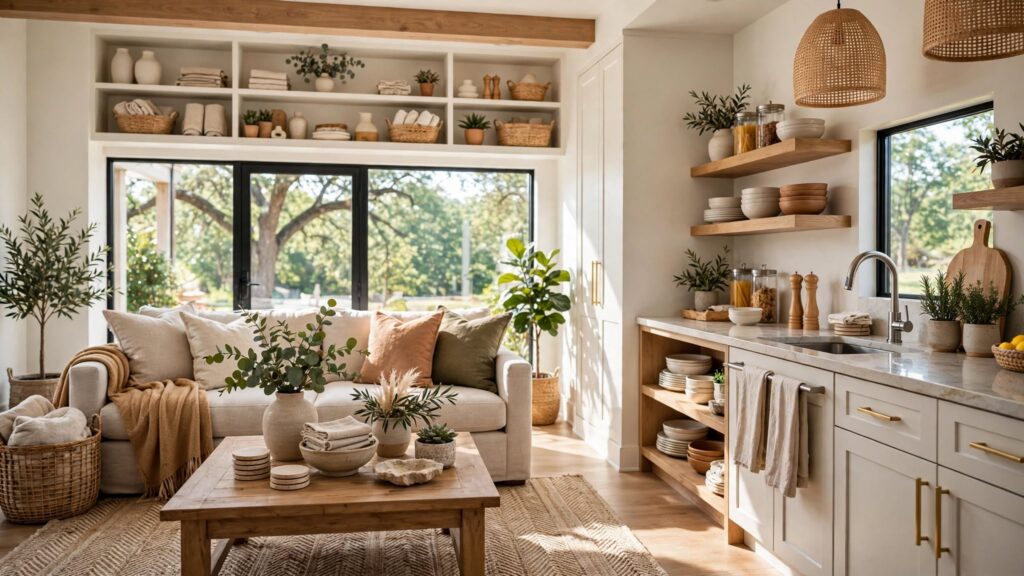
What Makes a House Feel Expensive Without Being Expensive?
Some homes immediately feel valuable.
The moment buyers walk through the front door, the property feels well cared for, welcoming, and desirable.
Other homes might have expensive upgrades but somehow fail to create the same impression.
What’s surprising is that buyer perception is often influenced less by luxury and more by presentation.
In many cases, buyers respond more strongly to cleanliness, lighting, maintenance, organization, and overall condition than they do to high-dollar renovations.
For homeowners throughout Lexington and Fayette County communities, understanding what creates perceived value can help maximize buyer interest without requiring a major remodeling budget.
Buyers Judge Condition Before They Judge Upgrades
Many sellers assume expensive renovations automatically create strong impressions.
Sometimes they do.
However, buyers usually notice condition first.
Before evaluating countertops or appliances, they’re subconsciously evaluating:
- Cleanliness
- Maintenance
- Organization
- Lighting
- Flow
- Overall upkeep
A home that feels cared for can often outperform a home with more expensive finishes but poorer presentation.
Clean Homes Feel More Valuable
One of the least expensive improvements a homeowner can make is also one of the most impactful.
A deep-cleaned home feels different.
Buyers notice:
- Clean windows
- Fresh-smelling interiors
- Sparkling kitchens
- Well-maintained bathrooms
- Dust-free surfaces
A clean home communicates ownership pride.
And ownership pride often creates the perception of quality.
Lighting Changes Everything
Lighting is one of the most overlooked elements in real estate.
Natural light creates spaces that feel:
- Larger
- Brighter
- Better maintained
- More welcoming
Before listing, many sellers can improve perception simply by:
- Opening blinds
- Pulling back curtains
- Replacing dim light bulbs
- Updating outdated fixtures
These simple improvements often create dramatic visual impact.
Fresh Paint Delivers Huge Value
Few improvements produce a stronger return on investment than fresh paint.
Neutral colors often help buyers focus on the home itself rather than personal design choices.
Fresh paint can make a property feel:
- Cleaner
- Newer
- Brighter
- More modern
Compared to a major renovation, painting remains one of the most affordable ways to enhance presentation.
Clutter Makes Homes Feel Smaller
Buyers don’t just see belongings.
They see the space around those belongings.
Excess furniture, crowded shelves, and overflowing closets can make a home feel smaller and less functional.
Removing unnecessary items often helps:
- Improve flow
- Highlight architectural features
- Increase perceived space
- Create visual calm
Sometimes adding value means removing distractions.
Maintenance Creates Confidence
One of the biggest contributors to perceived value isn’t visible luxury.
It’s visible care.
Buyers notice small maintenance details such as:
- Fresh caulking
- Working fixtures
- Smooth doors
- Clean grout
- Well-maintained landscaping
- Repaired trim
These details signal that the property has been cared for consistently.
That confidence often influences buyer willingness to pay more.
Curb Appeal Sets Expectations
Luxury impressions begin before buyers enter the house.
When buyers arrive, they’re evaluating:
- Landscaping
- Exterior maintenance
- Walkways
- Entryways
- Paint condition
Strong curb appeal creates positive expectations that influence how buyers view the rest of the property.
The first impression frequently impacts the entire showing experience.
Flow Matters More Than Fancy Finishes
Buyers often imagine themselves living in the home.
That’s why flow matters.
A home that feels functional and easy to navigate often feels more valuable than one with expensive finishes but awkward room arrangements.
Good flow creates:
- Comfort
- Convenience
- Practicality
And practicality often drives long-term satisfaction.
Small Cosmetic Improvements Can Create Big Results
Many sellers assume value comes only from large renovations.
In reality, buyers often notice simple improvements first.
Examples include:
- Updated hardware
- New light fixtures
- Modern faucets
- Fresh landscaping
- Clean entryways
- Updated mirrors
These relatively affordable upgrades can modernize a property without requiring major investment.
Why Buyers Associate Simplicity with Quality
Luxury isn’t always about extravagance.
Often, luxury feels calm.
Organized.
Clean.
Intentional.
Homes that feel clutter-free and thoughtfully presented tend to create stronger impressions than homes overloaded with decorative features.
Sometimes simplicity itself feels expensive.
Should Sellers Prioritize Cosmetics or Major Renovations?
Every property is unique.
However, many sellers never recover the full cost of extensive renovations before selling.
Often, the smarter strategy is to focus on:
- Presentation
- Maintenance
- Cleanliness
- Lighting
- Minor cosmetic updates
These improvements frequently create stronger buyer perceptions without requiring significant expense.
My Personal Perspective
After helping buyers and sellers through more than 230 transactions, I’ve noticed that buyers rarely say:
“I love this house because of the expensive renovation budget.”
Instead, they say things like:
“This home feels well cared for.”
“It feels bright.”
“It feels clean.”
“It feels move-in ready.”
Those reactions usually come from presentation rather than luxury.
The homes that generate the strongest emotional responses are often the homes that feel welcoming, organized, and maintained.
That’s something almost every seller can achieve without spending a fortune.
The Bottom Line
Homes don’t need massive renovations to feel valuable.
In many cases, buyer perception is shaped by:
- Cleanliness
- Lighting
- Maintenance
- Organization
- Flow
- Curb appeal
The homes that feel expensive are often the homes that feel cared for.
Before investing in costly upgrades, consider whether simple improvements could create the same impression.
Because sometimes the smartest investment isn’t spending more money.
It’s presenting what you already have more effectively.
Carlos Elliott
Tru Life Real Estate
📍 Lexington, Kentucky
📞 859-361-2709
🌐 carloskyrealtor.com
❓ Expanded FAQs
What upgrades create the biggest visual impact?
Fresh paint, updated lighting, landscaping improvements, modern hardware, and improved presentation often create significant visual impact.
Can inexpensive improvements boost perceived value?
Absolutely. Cleanliness, organization, lighting, and minor cosmetic updates often influence perception more than costly renovations.
What makes buyers think a home is well-maintained?
Clean surfaces, functioning systems, repaired minor issues, fresh finishes, and overall organization create confidence.
Should sellers prioritize cosmetics or major renovations?
In many situations, affordable cosmetic improvements and excellent presentation produce stronger returns than extensive remodeling projects.
Does curb appeal really matter?
Yes. Buyers often begin forming opinions before they even enter the property.
What is the most important room to update?
Kitchens and bathrooms often receive significant attention, but improving presentation throughout the home can have a greater overall impact.
Can lighting affect home value perception?
Absolutely. Bright spaces generally feel larger, cleaner, and more inviting.
Why do some homes feel luxurious without luxury finishes?
Presentation, maintenance, flow, cleanliness, and thoughtful design often create the perception of higher value.
